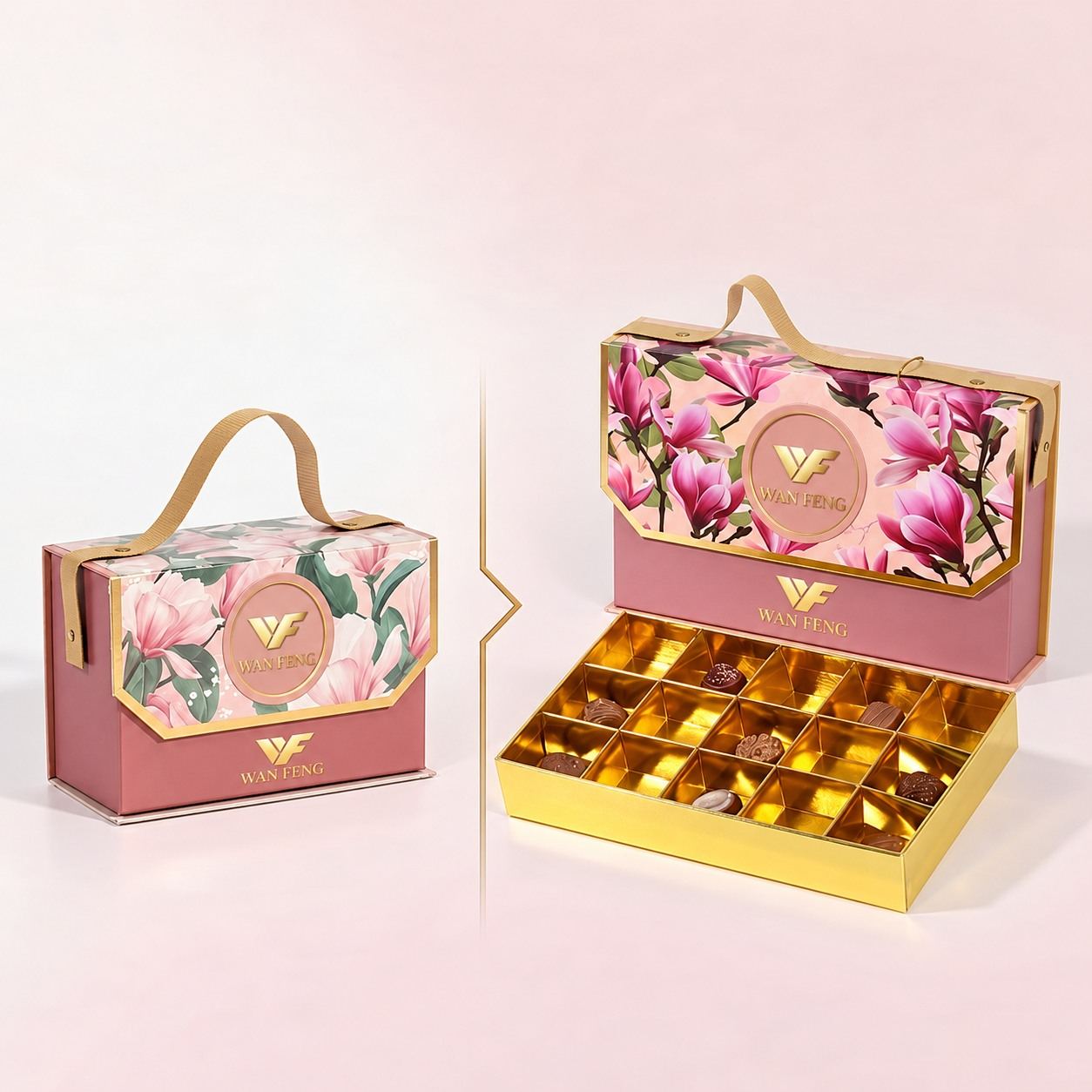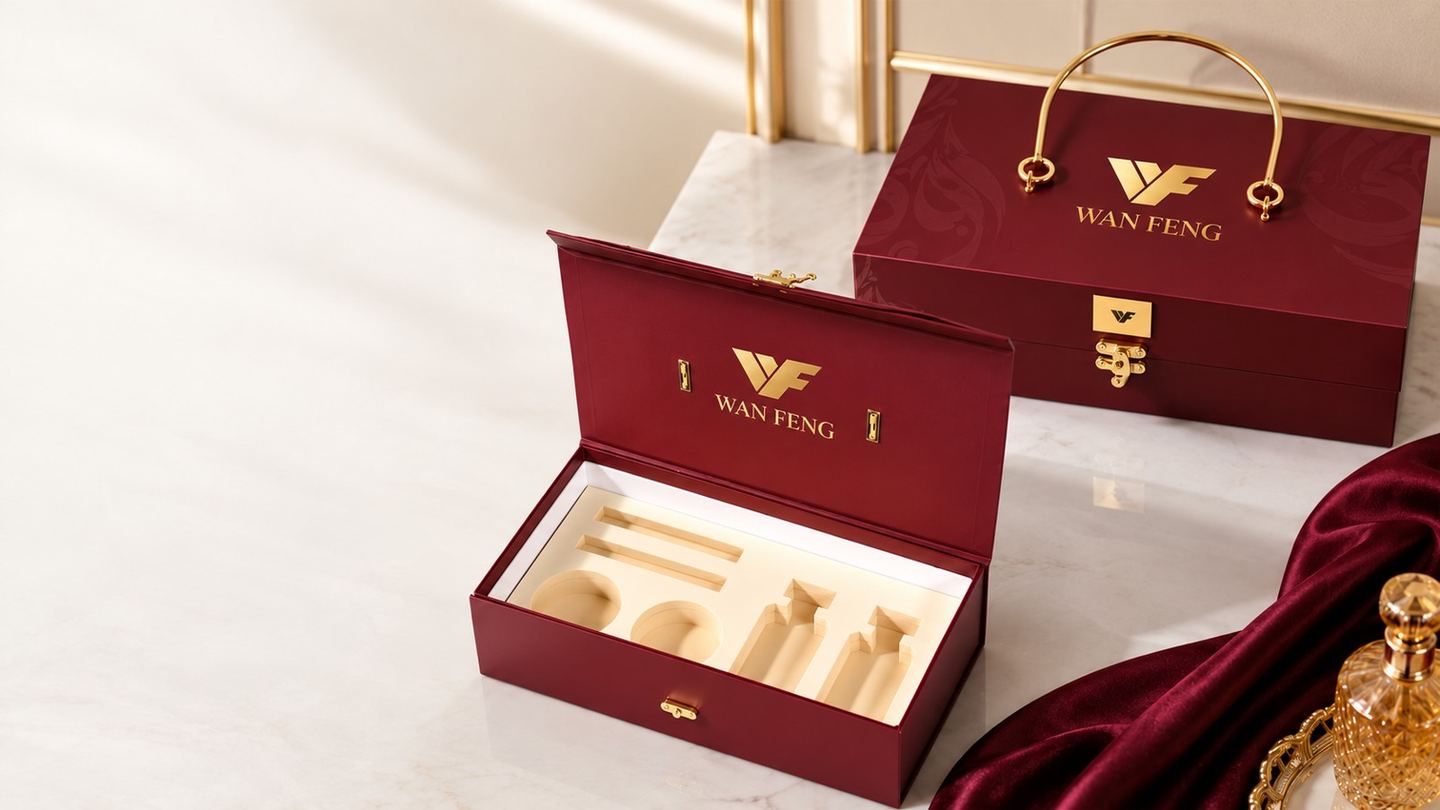
One collection. Different packaging roles.
The round packaging direction uses a circular footprint to present a coordinated assortment. The format changes how products are positioned, how a recipient reaches them and how the presentation box is protected for shipment. Those practical details determine whether the distinctive shape works for the intended products.
The design challenge
A circular footprint requires careful use of interior space. Bottles, jars and printed inserts can leave awkward gaps or interfere with the lid. The structure needs to support the actual products while retaining a balanced presentation.
A unified visual identity
Develop the arrangement from the tallest and heaviest item first. Establish how the product labels face the recipient and where the information card sits. Keep the external graphics legible around the curved surface, allowing for seams and artwork alignment.
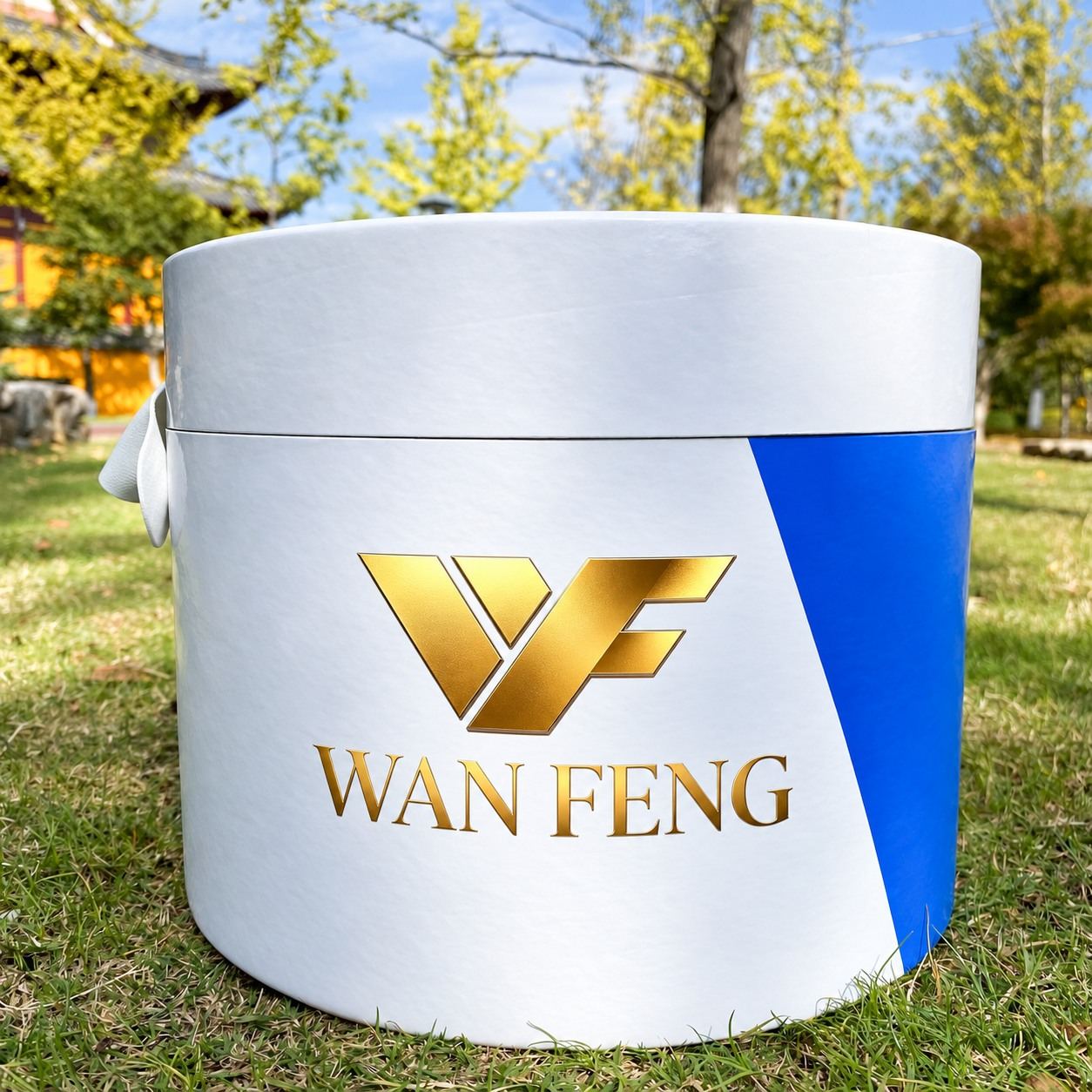
Inside the packaging collection
Review the tube wall, lid fit and base support together. A fitted interior can locate the products and separate them from one another, but its material and thickness must be tested. Do not assume a paper-based appearance alone establishes recyclability of the full assembly.
Specification review before quotation
| Item | What to agree | Approval reference |
|---|---|---|
| Structure & dimensions | Internal dimensions, product orientation and opening clearance | Blank structural sample |
| Paper & board | Paper swatch, board construction and color reference | Named material specification |
| Printing & finish | Artwork revision, logo position and surface treatment | Physical printed / finished sample |
| Interior fit | Product support, removal access and insert clearance | Sample with representative products |
| Packing | Surface protection, carton layout and unit count | Approved packing instruction |
Where material meets finishing
Compare a clean printed wrap with a selective identity accent. Approve curved-surface artwork on an assembled sample, including the alignment of repeating graphics at the wrap seam. Check whether the finish tolerates normal handling.
From design approval to production
Test lid removal, product access and the assembled kit weight. Verify insert depth using representative filled products. Confirm the approved artwork version and the contents checklist before any packing run.
Check dimensions, opening and product fit.
Review color, logo, surface and assembly.
Record revisions and acceptance criteria.
Agree protection, carton layout and identification.
Protecting the presentation in transit
Confirm the delivery destination, packed weight, carton quantities and required arrival date before selecting a shipment plan. Record the packing arrangement and carton identification in the approved specification. Production and transport dates should be quoted against the final artwork, sample approval and order quantity.
A coordinated packaging solution
A quotation-ready specification should bring together the approved artwork, structural drawing, material references, product fit, finishing reference, packing method and acceptance criteria. These documents provide a buyer with a clear basis for reviewing the proposal and comparing the delivered packaging with the agreed sample.